UK Horse Racing Sponsorship Activity Declines 17 Percent After Remote Gaming Duty Adjustment
Written by Jordan Schwarz · Oct 9, 2026

UK Horse Racing Sponsorship Activity Declines 17 Percent After Remote Gaming Duty Adjustment
Data covering the first nine months of 2026 reveals that bookmaker sponsorship of UK horse races dropped 17 percent compared with the same period in 2025, and the reduction coincides with the Remote Gaming Duty increase from 21 percent to 40 percent that took effect on April 1, 2026. Figures reviewed by the Racing Post show the steepest cuts occurred in lower-value races, while operators including Bet365, Betfred, Flutter Entertainment, and Unibet each trimmed sponsorship activity by more than 15 percent, and some reduced involvement by more than 80 percent.
Tax Change Takes Effect in April 2026
The duty adjustment applied to remote gambling operators and raised the cost base for many companies that previously supported race sponsorships, and observers note that the timing aligns closely with the observed decline in bookmaker-backed events. Sponsorship figures for January through September 2026 reflect the first full period after the new rate became active, which allows direct comparison with 2025 data collected under the prior 21 percent rate. Those who track industry spending patterns point out that lower-value races absorbed the largest share of the reductions, whereas higher-profile fixtures retained more consistent backing from the same operators.
Operators Scale Back Participation Levels
Bet365, Betfred, Flutter Entertainment, Unibet, and additional firms each recorded sponsorship cuts exceeding 15 percent during the nine-month window, and several companies reduced activity by more than 80 percent in specific race categories. The pattern appears across multiple operators rather than concentrating in a single business, which suggests the duty rise influenced broader commercial decisions about race support. Data indicates that the volume of sponsored races fell most noticeably outside the top-tier meetings, leaving gaps that were later filled by unsponsored or contra-deal arrangements.
Prize Money and Race Funding Patterns Shift
Prize money attached to bookmaker-sponsored races declined 2.5 percent in nominal terms during the period, which equates to a 5.5 percent drop after inflation adjustment, while unsponsored or contra-deal races increased 16 percent over the same timeframe. The shift in funding sources produced a measurable reallocation of resources away from traditional bookmaker sponsorship toward alternative arrangements, and analysts who examined the figures found that total prize money across all races remained relatively stable even as the composition of sponsors changed. Operators appear to have redirected portions of their budgets away from direct race sponsorship and toward other promotional channels after the duty increase raised operating costs.
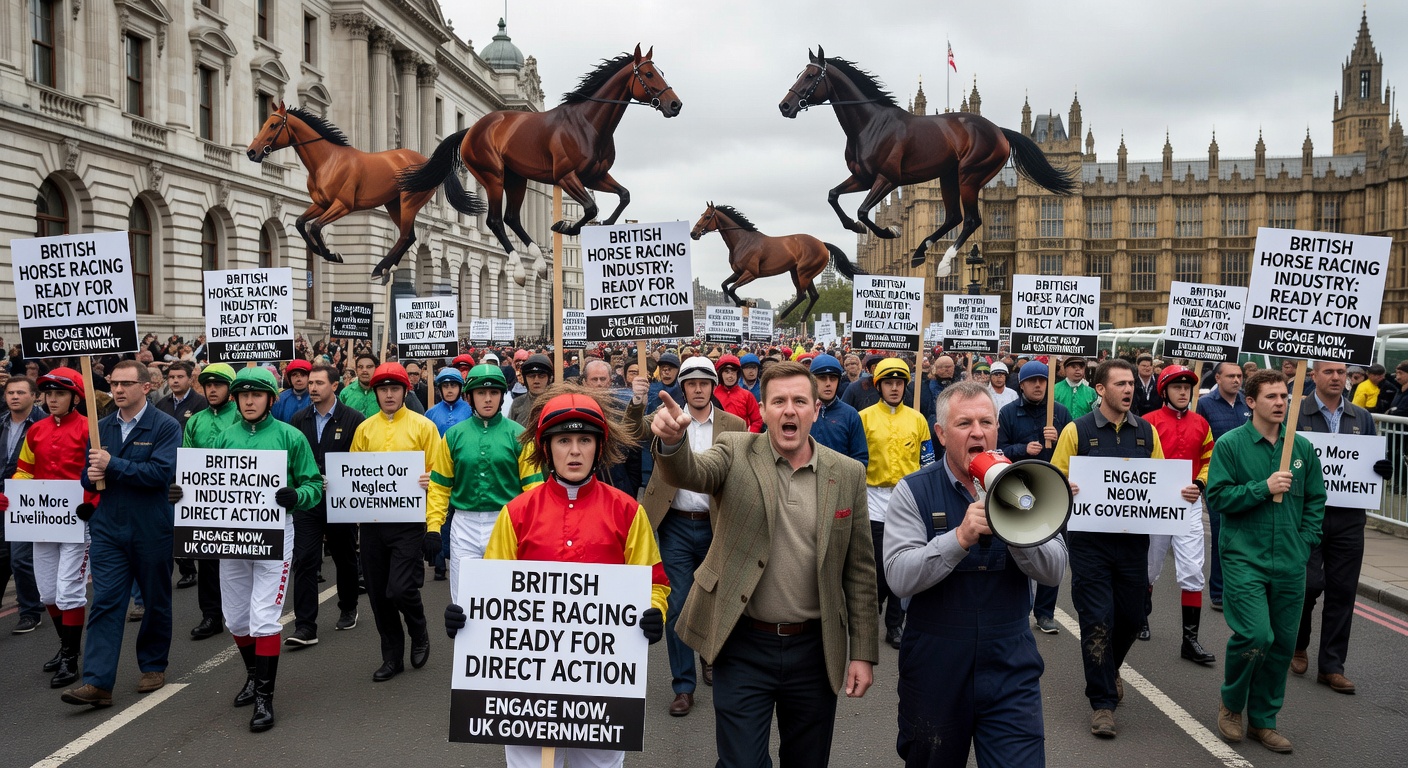
Those reviewing the numbers note that the 17 percent overall drop in sponsorship activity occurred alongside the duty change rather than preceding it, and the correlation has prompted industry participants to examine how tax policy influences commercial relationships between bookmakers and racecourses. Lower-value races experienced the most pronounced reduction in bookmaker involvement, which left event organizers seeking replacement funding through contra deals or self-funding models that do not rely on traditional sponsorship fees.
Broader Context Around October 2026 Reporting
By October 2026 the nine-month data set had been compiled and examined, which allowed the Racing Post and other outlets to publish the observed trends, and the timing placed the findings several months after the April duty adjustment took hold. The report referenced in industry analysis draws directly from Racing Post-reviewed sponsorship records rather than from operator self-reporting, which provides an independent measure of activity levels across the sector. Observers who have followed similar tax changes in previous years recognize that adjustments to remote gaming duty can alter the economics of ancillary spending such as race sponsorship without necessarily affecting core betting operations.
Conclusion
The 17 percent decline in bookmaker sponsorship of UK horse races during the first nine months of 2026 stands as a measurable outcome following the Remote Gaming Duty rise to 40 percent, and the data shows clear reductions among major operators alongside shifts in prize money distribution and an increase in unsponsored or contra-deal races. The figures reviewed through October 2026 document these changes in detail and link the timing of teh duty adjustment to the observed sponsorship patterns across lower-value and higher-value events alike.