Seamless Access Points: How Mobile Applications Facilitate Quick Entry, Varied Payment Solutions, and Ongoing User Support in Sports and Casino Betting
Written by Leon Franke · Jun 21, 2026
Seamless Access Points: How Mobile Applications Facilitate Quick Entry, Varied Payment Solutions, and Ongoing User Support in Sports and Casino Betting
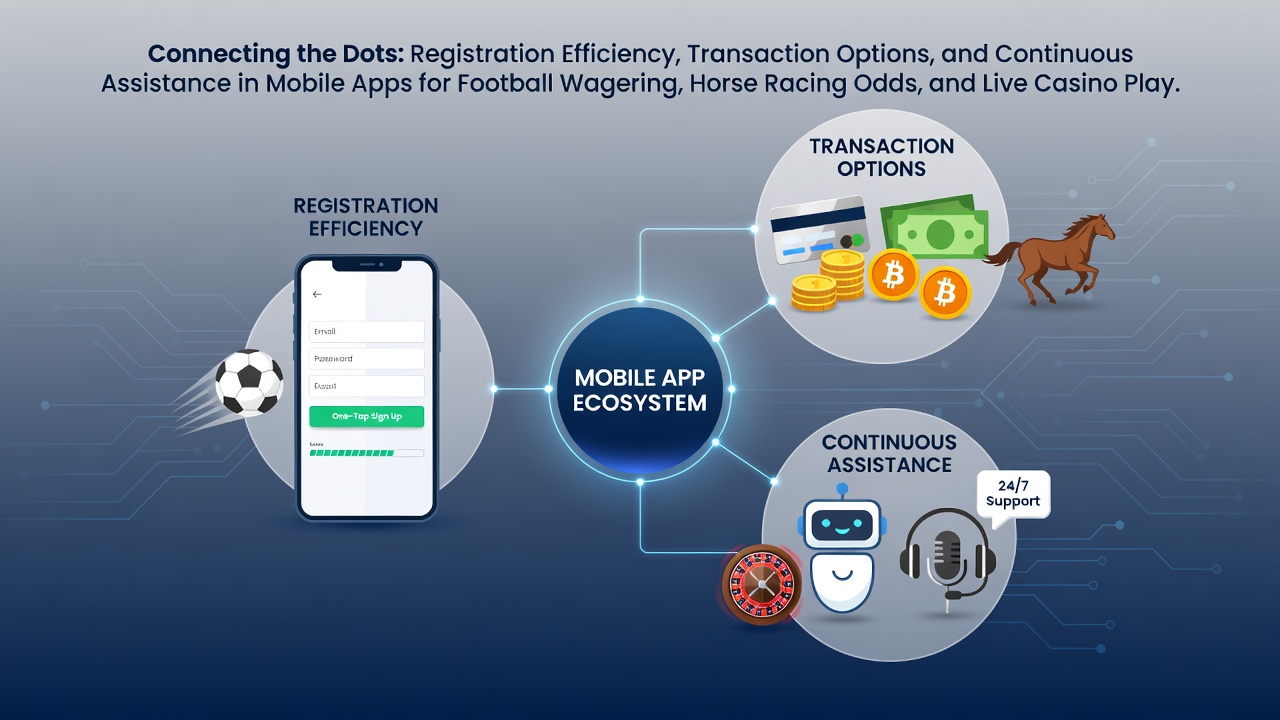
Registration processes in mobile betting applications have evolved to prioritize speed and security through integrated verification systems that combine biometric data with automated document checks, enabling users to access football wagering markets, horse racing odds, and live casino environments within minutes rather than hours. Observers note that platforms now employ single-session onboarding where personal details, identity confirmation, and initial account setup occur simultaneously, reducing friction that previously deterred participants from completing their profiles across multiple screens.
Registration Efficiency Across Betting Categories
Data indicates that efficient sign-up flows incorporate real-time validation tools which cross-reference user information against regulatory databases while allowing immediate navigation to featured events such as Premier League matches or upcoming race meetings. Those who've studied app development patterns recognize that conditional access grants partial functionality during verification stages, letting individuals explore horse racing odds or live dealer tables before full approval finalizes their accounts. Research from the International Gaming Institute at the University of Nevada shows these streamlined methods correlate with higher retention rates because they minimize drop-offs during the critical first interaction phase.
Football-focused sections within apps often preload team statistics and live odds displays right after basic registration completes, whereas horse racing modules require additional location-based checks for certain jurisdictions yet still integrate the same core verification pipeline used for live casino play. This unified approach means users encounter consistent interfaces whether they begin with soccer stakes or shift toward track pursuits and dealer-led games in a single session.
Transaction Options and Payment Flexibility
Payment systems in these applications support multiple channels including e-wallets, bank transfers, and cryptocurrency options that process deposits and withdrawals with varying speed tiers suited to different betting rhythms. Evidence suggests instant deposit methods power immediate participation in time-sensitive football markets while scheduled payout options accommodate larger horse racing winnings that users prefer to transfer through traditional banking rails for record-keeping purposes.
Live casino environments benefit particularly from low-latency transaction processing because table stakes change rapidly and players value the ability to top up balances without leaving the game interface. According to figures released by the European Gaming and Betting Association, diversified payment ecosystems have expanded user engagement by accommodating regional preferences that range from local bank integrations to digital asset support in markets where such methods see growing adoption. Observers note that transaction histories remain accessible within the app dashboard, providing clear audit trails that help users track activity across football wagers, race results, and casino sessions without external record-keeping.
Continuous Assistance and Support Infrastructure
Support mechanisms operate through layered channels that combine automated chat responses with escalation paths to human agents available around the clock, addressing queries related to account verification, payment discrepancies, or game-specific rules for live dealer tables. Those monitoring industry trends find that proactive notification systems alert users to upcoming horse racing events or football lineup changes while simultaneously offering direct links to assistance if technical issues arise during live play.
June 2026 data reveals continued investment in multilingual support teams and AI-assisted triage that routes common football betting questions to self-service resources while complex horse racing or casino disputes receive priority human review. This structure maintains availability across time zones because many platforms now distribute support operations globally to match the 24-hour nature of online wagering markets.
Integration of Features for Comprehensive User Experience
Apps that connect registration efficiency, transaction flexibility, and continuous assistance create cohesive environments where users transition smoothly between football odds monitoring, horse racing bet placement, and live casino immersion without encountering separate login requirements or fragmented payment histories. Studies indicate that unified dashboards displaying balance updates alongside upcoming events encourage sustained participation because individuals can manage all activities through one interface rather than juggling multiple applications.
Case examples demonstrate that when verification completes during initial setup, subsequent deposits for live casino tables or withdrawals from successful race outcomes process through the same verified channels established at registration. This continuity reduces errors and builds user familiarity with the platform's operational logic across different betting verticals.
Conclusion
The convergence of rapid onboarding, adaptable payment solutions, and persistent support creates operational frameworks that serve diverse betting preferences within single mobile ecosystems. Data from multiple regions continues to track how these interconnected elements influence user behavior and platform performance through 2026 and beyond, with ongoing refinements focused on maintaining security standards while expanding accessibility for football wagering, horse racing odds, and live casino activities.