Pathways to Participation: Accelerating Profile Activation, Expanding Payment Choices, and Sustaining Support in Handheld Betting for Match Odds, Turf Calculations, and Dealer Interactions
Written by Nils Schwarz · Jul 21, 2026
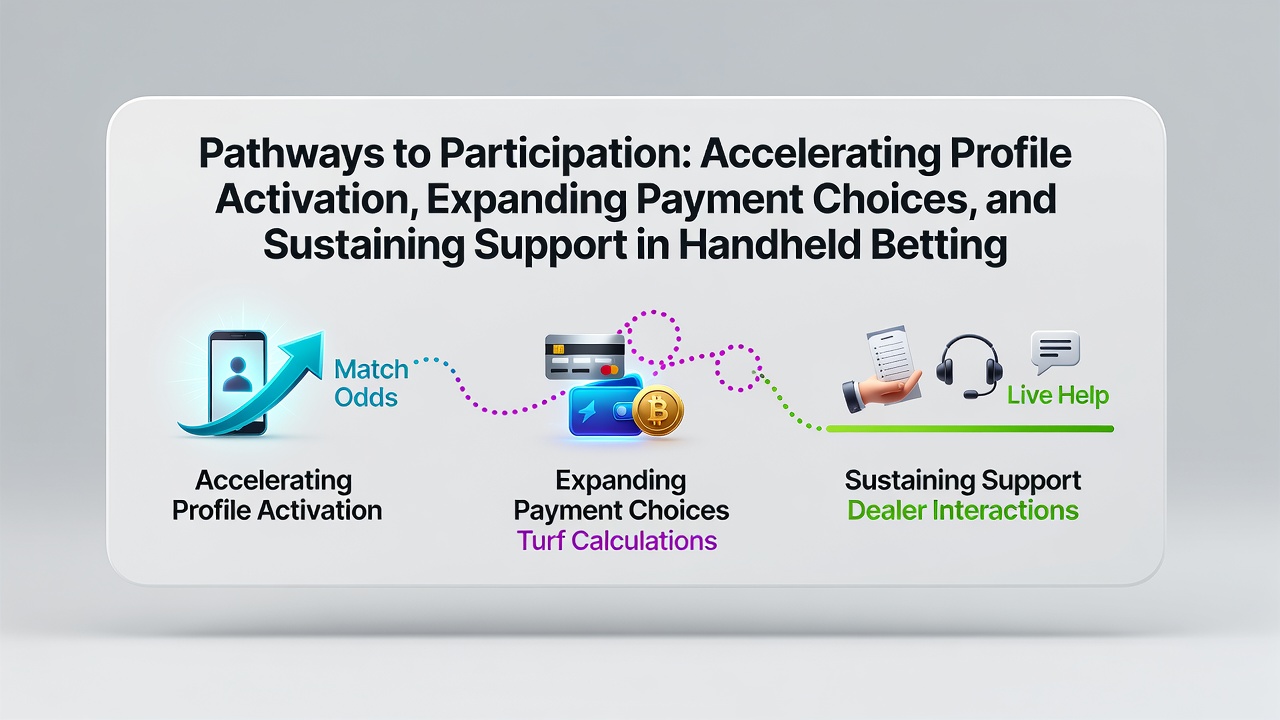
Pathways to Participation: Accelerating Profile Activation, Expanding Payment Choices, and Sustaining Support in Handheld Betting for Match Odds, Turf Calculations, and Dealer Interactions
Profile activation on handheld devices has become a focal point for operators handling match odds in soccer, turf calculations in horse racing, and dealer interactions in live casino environments, and data from industry reports shows streamlined verification processes cutting average onboarding times to under five minutes in many cases. Researchers at various institutions note that biometric options combined with document uploads allow users to complete initial registration while connecting payment methods simultaneously, which reduces drop-off rates during the early stages of account creation.
Payment choices have expanded significantly as operators integrate multiple gateways that support instant deposits and withdrawals across different regions, and this development aligns with figures from regulatory bodies in Australia and Canada indicating higher transaction volumes when diverse options like e-wallets, bank transfers, and prepaid cards appear together in one interface. Those tracking handheld betting trends observe that users handling match odds often prefer methods enabling rapid top-ups before live events, whereas participants focused on turf calculations tend toward options that facilitate larger stakes with clear fee structures.
Profile Activation in Handheld Environments
Accelerating profile activation involves several coordinated steps that begin with basic information entry and progress through automated checks, and experts from academic studies on digital gambling platforms highlight how facial recognition and address verification tools work in tandem to verify identities without requiring multiple app exits. In July 2026, platforms handling dealer interactions reported integration of real-time chat during signup, which lets users resolve verification queries immediately rather than waiting for email responses.
Operators serving soccer bettors and horse racing enthusiasts have adopted unified dashboards that display progress bars for each activation stage, and this approach connects directly to subsequent features like bonus eligibility checks that activate once the profile reaches full status. Data shows that when these pathways incorporate push notifications at key milestones, completion rates increase because users receive reminders without needing to reopen the application manually.
Expanding Payment Choices for Varied Betting Types
Payment expansion covers everything from traditional card processing to newer cryptocurrency integrations that some regions permit under specific licenses, and sources such as reports from the European Gaming and Betting Association indicate that multi-currency support helps maintain activity across international user bases. Handheld systems now route transactions through processors that handle both small soccer wagers and larger horse racing stakes with equal efficiency, while live dealer sessions benefit from methods that settle quickly to support ongoing table participation.
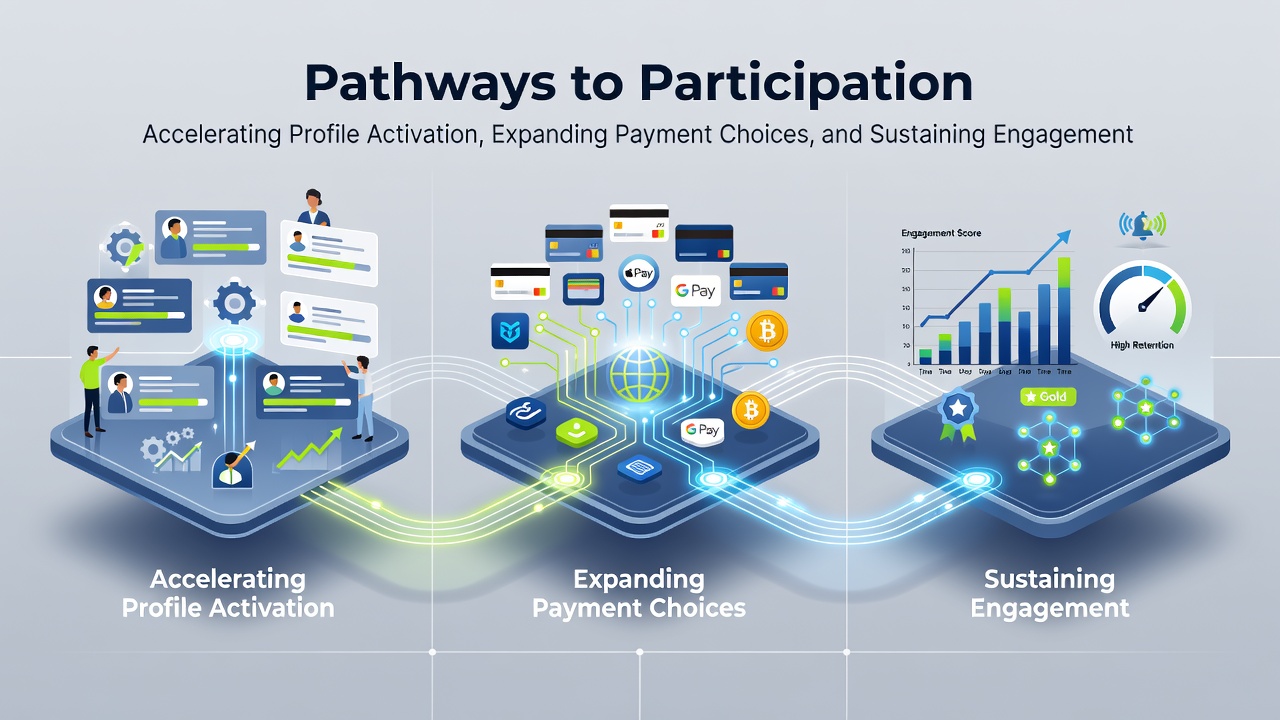
Those monitoring transaction patterns note that expanding choices reduces friction when users switch between match odds tracking and turf calculations within the same session, and regulatory updates from bodies like the Alcohol and Gaming Commission of Ontario have encouraged clearer disclosure of processing times to build user confidence. July 2026 saw several providers introduce split-payment features that divide stakes across multiple methods in one transaction, which suits players managing both casino and sports activities simultaneously.
Sustaining Support Through Continuous Channels
Support structures in handheld betting now include 24-hour live chat, in-app messaging, and callback options that connect directly to account-specific data, and studies from research institutions show these integrated systems lower resolution times for issues related to profile status or payment holds. Users engaged in dealer interactions often require immediate assistance during active sessions, whereas those calculating turf odds may seek guidance on historical data access or settlement explanations.
Operators have begun embedding support access points within betting flows themselves, which allows quick escalation without leaving the main interface, and this connectivity helps sustain engagement across different product verticals. Figures from industry analyses reveal that platforms maintaining consistent response benchmarks across soccer, racing, and live dealer segments experience steadier retention metrics overall.
Integration Across Betting Categories
Match odds, turf calculations, and dealer interactions share common infrastructure elements once profiles activate and payments flow smoothly, and observers note that unified account balances enable seamless movement between these activities without separate funding steps. Handheld applications increasingly feature cross-category notifications that alert users to relevant events in any of the three areas based on their established preferences.
Payment processors supporting these environments have developed APIs that flag transaction types automatically, which speeds up compliance checks while preserving user privacy standards, and this technical layer underpins the entire participation pathway. Those who examine user journeys across multiple sessions find that sustained support availability correlates with higher frequency of switches between betting formats.
Conclusion
The pathways described connect profile activation directly to expanded payment options and ongoing support mechanisms, which together shape how users engage with match odds, turf calculations, and dealer interactions on handheld devices. Information from regulatory and academic sources continues to track these developments as platforms refine their processes in response to user behavior data collected through July 2026 and beyond.